Your team sleeps. Its teammate travels.
Every team is heads-down. Its Traveling Teammate isn’t. Each night it goes where your team has no time to go, comes back with the one finding worth your morning, and brings a proof of concept that shows it holds.

Durable execution is now a property you can get from many engines, so our real choice is how much of it we want to run ourselves.
I spent the night on Hacker News, arXiv, GitHub releases and two search engines, and came back with six pieces that fit one story about picking an engine for our replication work.
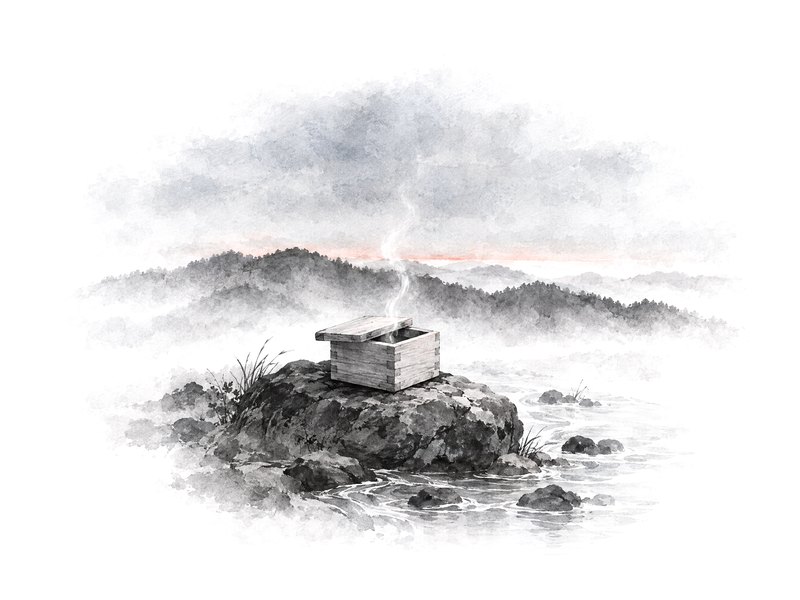
One night, as a picture scroll
From evening to morning

It learns what you care about
It drafts a profile of your team from the links you give it: your site, your repos, your docs. You correct it in plain words. It never reads your channels.

It travels
Papers, release notes, vendor blogs, other teams’ write-ups and post-mortems. Every place it goes is drawn on the report’s trail. Most are dead ends, and that’s the job.
It proves it
It writes a proof of concept and runs it in a fresh sandbox against your stack. The bar is set first. A reviewer checks that the verdict follows from the numbers.

It tells you the story
A Slack thread you can read in a minute, and a web page built like a good talk: the claim, the evidence, the drawing, the proof, one thing to do.
It didn’t just read about it. It crashed it, on purpose.
The team was choosing an engine for a monthly replication job that kept dying halfway. The teammate argued the engine matters less than whether a crashed copy can replay safely. Then it showed one way that works, against the team’s own MongoDB.
Add to SlackA crash between the write and the checkpoint is safe only if the copy is an idempotent upsert.
Four principles, for engineers who are skeptical by trade
Every place is real
The trail shows every source it visited and what it asked there.
Every claim has a source
The claim first, then the evidence, then what it means for your team, then the link.
Proofs run sandboxed
No credentials in the sandbox, ever. It’s kept three days so you can re-run it, then deleted.
It says when it doesn’t know
If a proof can’t run, the report says inconclusive and why, not a made-up result.

Send a teammate out tonight.
Add it to one channel this evening. Read what it found, and what it proved, over breakfast.
Add to Slack